In the last policy update I remarked how the start of 2026 would likely be defined by uncertainty. Not a unique hypothesis, though one that has been proven intimidatingly correct so far.

The internet loves to proliferate a phrase in times like this, one I keep bumping into at the moment (attributed to Lenin) is: “There are decades where nothing happens, and weeks where decades happen”. Although the latter seems to have defined the weeks of 2026 so far, I will also touch on some of the smaller developments that are nonetheless important for our sector.
Spring Statement and inflation
You may have seen our analysis of the Spring Statement (if not, do have a read if interested: Spring Statement 2026). In response to the Chancellor's speech, Mel Stride disparagingly commented in the first of many attacks: “Mr Speaker, is that it?” - in fact, it was. The speech presented an image of policy stability that may have reassured economists, though it left charities under troubling financial pressure.
Owing to the conflict in Iran, there is growing uncertainty around the cost of raw materials, particularly oil and gas, which have an outsized impact on everyday prices. Some estimates suggest inflation could be around 0.5% higher by the end of the year as a result.
However, the volatility of the situation means many of these forecasts may already need revising, with Trump’s recent comments suggesting the war may be close to “complete” having a dramatic impact on projections.
We will remain watchful (with little choice given its all-encompassing nature), particularly the uncertainty and potential price increases surrounding it, and how these changes affect our sector.
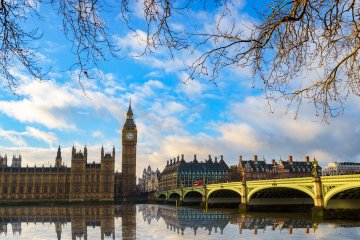
Parliamentary mentions
From international events altering global trade relations to smaller UK charity finance-sector developments. There have been several parliamentary moments worth noting.
Small charities debate
On the same day as the Spring Statement, there was a debate on small charities in Parliament (you can read it here).
Members largely used this time as an opportunity to raise and discuss charities they supported. Ian Duncan Smith stated: “The central issue that I hope this debate will address is this: the Government take grassroots charity too much for granted.”
This sentiment was reflected in much of the discussion. Stephanie Peacock defended the Government’s commitment to supporting charities, citing measures such as the audit threshold changes, the Civil Society Covenant and the Local Covenant Partnership Fund as evidence of this.
The Finance Bill
This is the legislative instrument through which the Government is introducing the changes announced in last year’s Budget. It is currently progressing through Parliament and continues to be debated, with CFG's statistics on its impact on the charity sector referenced during debates.
James Wild MP (Shadow Exchequer Secretary) spoke in favour of amendments to the Government’s proposals on how legacy donations would be assessed. In particular, the Shadow Minister raised concerns about the shift from the current motive-based test to a new outcome-based test.
Following contact with CFG, he argued that this change could have unintended consequences for legacy giving, potentially affecting how much money is donated to charities through wills and estates (the debate is here).
In a similar vein, Baroness Neville-Rolfe spoke to the potential impact that the proposed salary sacrifice changes (charging NICs on pension contributions above £2,000p/y) could have on charities, citing our survey on the matter (find the debate here).
Although these interventions are valuable for future engagement and for raising the profile of the challenges that our sector face, they are unlikely to lead to substantive policy change given the nature of these Bills and the Government's large majority.

Scotland
We will conclude this turbulent course through policy issues in Scotland. It is worth noting the change to OSCR that will impact all charities registered in Scotland:
- OSCR will publish all charity accounts received on or after 9 March in full and unredacted.
- Charity trustee names will be published. Initially only surnames will appear on the register.
There was also an interesting debate surrounding banking services and charities in Holyrood, not least because it referenced CFG’s work:
Kaukab Stewart, Minister for Equalities:
“I understand that the Charity Finance Group and the three UK charity regulators are already working with the banking sector to ensure that the challenges that face the charity sector are fully understood. I express my thanks to them for the work that is already under way. The Scottish Government supports that engagement and will work closely with them and the FCA as more evidence emerges.”
(You read the debate in full here).
As reflected above, we continue to engage on banking issues. If it is of interest, we would encourage you to fill out our Banking Survey, which aims to better understand the challenges the sector is currently facing.
Closing thoughts
It is a testament to how quickly things change that several additions have been made to this policy update in the time it takes to upload!
No doubt the year ahead will continue to reveal novel challenges and developments. As ever, we will keep you up-to-date and will focus our policy efforts where they will have the most impact for our members and the wider charitable sector.